Design
UX/UI Design
We design clear, intuitive interfaces for websites, platforms and web apps, turning complex requirements into experiences that are simple to understand and easy to use. From early structure to finished Figma screens, every decision has a reason behind it.

What UX/UI design includes?
Every engagement is scoped to what the product actually needs, but most run through these six stages.
-
Discovery and user research
We start by understanding the product, its users and what they need to accomplish. Existing data, feedback and business requirements help shape the direction.
-
Information architecture
Content, features and navigation are structured so users can understand where they are, where to go and how different parts of the product connect.
-
Wireframes and user flows
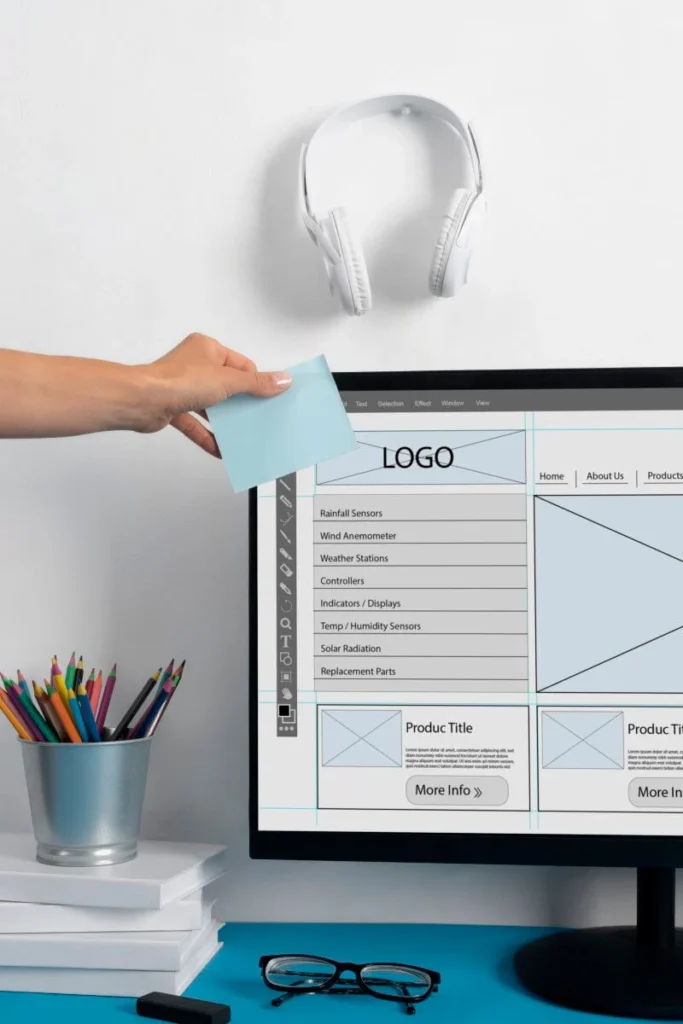
Before visual design, we map important journeys and create wireframes to test structure, hierarchy and interactions without getting distracted by styling.
-
Interface design in Figma
Detailed responsive interfaces designed in Figma with clear hierarchy, consistent behaviour and real-world development in mind.
-
Design system and components
Reusable components, patterns and rules keep the interface consistent and make future pages and features easier to design and develop.
-
Prototypes and developer handoff
Interactive prototypes help demonstrate important behaviour, while organised Figma files and specifications give developers what they need to build accurately.
How a design project runs?
We don’t jump straight into polished screens. Good UX/UI design starts by understanding the problem, organising the experience and testing the structure before deciding how everything should look.
Discovery
We start by understanding the product, its users and the business goals behind it. Where available, we also review analytics, feedback and existing research. This gives us a clear picture of what we’re designing, who it’s for and what the experience needs to achieve.
Structure
Next, we organise the content, features and navigation around the user’s journey. From there, we define the information architecture and key flows before moving into detailed interface work.
Wireframes
Wireframes let us test structure, hierarchy and important journeys before visual styling begins. At this stage, we can explore ideas, identify problems and change direction quickly without rebuilding finished screens.
Interface design
Once the structure works, we develop the visual interface. Here, typography, colour, spacing, components and interaction states come together to create a clear and consistent experience.
Design system
A design system keeps the product consistent as it grows. Instead of treating every screen separately, we create reusable components and clear rules that make future features easier to design and develop.
Prototype and handoff
Where useful, we create interactive prototypes to demonstrate important journeys and behaviour. Finally, we prepare organised Figma files, reusable components and clear specifications so developers can implement the interface accurately.
Working with a design you already have
Already have wireframes, an existing interface or a partial Figma design? We can start from what you already have. First, we’ll review the existing work and identify what needs attention. Then, we’ll continue from the right point rather than restarting the whole design process.
What we need from you:
- Access to the existing product, where applicable
- Business goals and project requirements
- Any available user research, analytics or feedback
- Existing brand or design guidelines
- Access to the people who understand the product best
You don’t need a complete specification before we start. Part of the process is turning what you know into a clear design direction.
UX/UI design questions
01 What is the difference between UX and UI design?
UX design focuses on how a product works, its structure, journeys, information and how easily users can accomplish what they came to do. UI design focuses on how that experience is presented through layout, typography, colour, components and interaction states.
We normally treat them as connected parts of the same design process.
02 Do I need UX design if I just need some new screens?
Not always. If your existing product already has a strong structure and established design system, we can work within it and design the screens you need.
If the new feature changes important journeys or introduces new behaviour, some UX work may be necessary before designing the interface.
03 Do you design in Figma?
Yes. Figma is our primary interface design tool. Files are organised for collaboration and development, with reusable components and consistent styles where the project requires them.
04 Can you work with our existing design system?
Yes. We can design within an established system, extend it with new components or review areas where it has become inconsistent.
We don’t replace a working design system simply to put our own stamp on the project.
05 Do you build the designs as well?
Yes. Vlaja also handles WordPress development and front-end implementation. However, development doesn’t have to be part of the engagement, we can provide design-only work for your own developers or technical team.
06 How much of our team will the project involve?
Usually, we need access to the people who understand the product, its users and business requirements. That doesn’t mean endless meetings. Instead, we agree on clear feedback points and involve the right people when decisions need to be made.
07 How do you make sure the design is accessible?
Accessibility is considered throughout the interface rather than added at the end. We consider hierarchy, contrast, typography, interaction states, navigation and component behaviour while designing.
Next step
Seen enough? Let us talk.
Tell us what you're building, rebuilding or trying to improve. We'll take a look, ask the right questions and give you a straightforward answer on what comes next.