Design
Web Design
We design websites around your business, content and users, not around a template. Clear structure, thoughtful interfaces and responsive layouts that are ready to work properly when development begins.
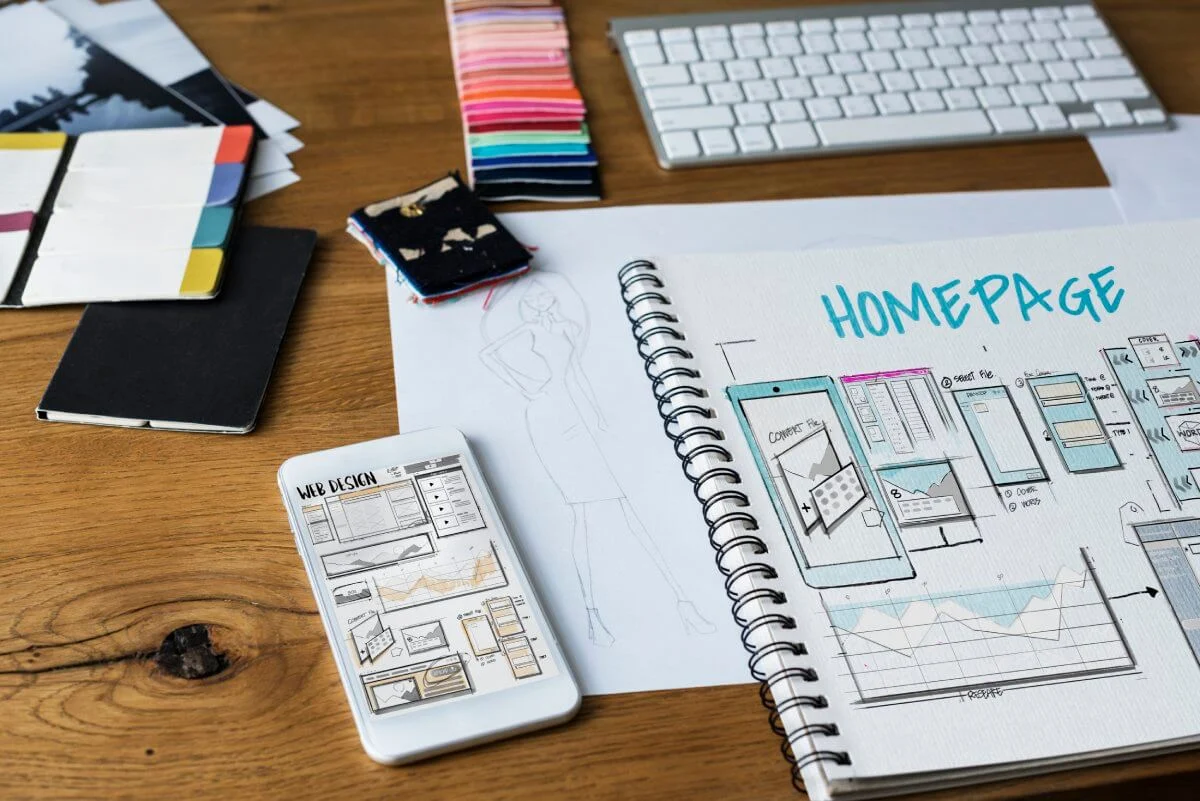
What web design covers?
From the first sketch to the final screen, every decision has a reason behind it.
-
Brand and visual direction
We translate your existing brand into a clear digital direction, defining typography, colour, spacing and visual hierarchy for the website.
-
Page structure and content plan
Before designing screens, we work out what each page needs to communicate and how the content should be organised.
-
Interface design
Detailed desktop and mobile interfaces designed around real content, clear hierarchy and the actions you want visitors to take.
-
Responsive layouts
Every screen is designed to work across different devices, rather than treating mobile as a smaller version of desktop.
-
Performance aware design
We consider development and performance while designing, avoiding unnecessary effects or decisions that make the finished website heavier than it needs to be.
-
Real world content
Design works better with real content. Where possible, we use your actual copy, imagery and data rather than designing around idealised placeholders.
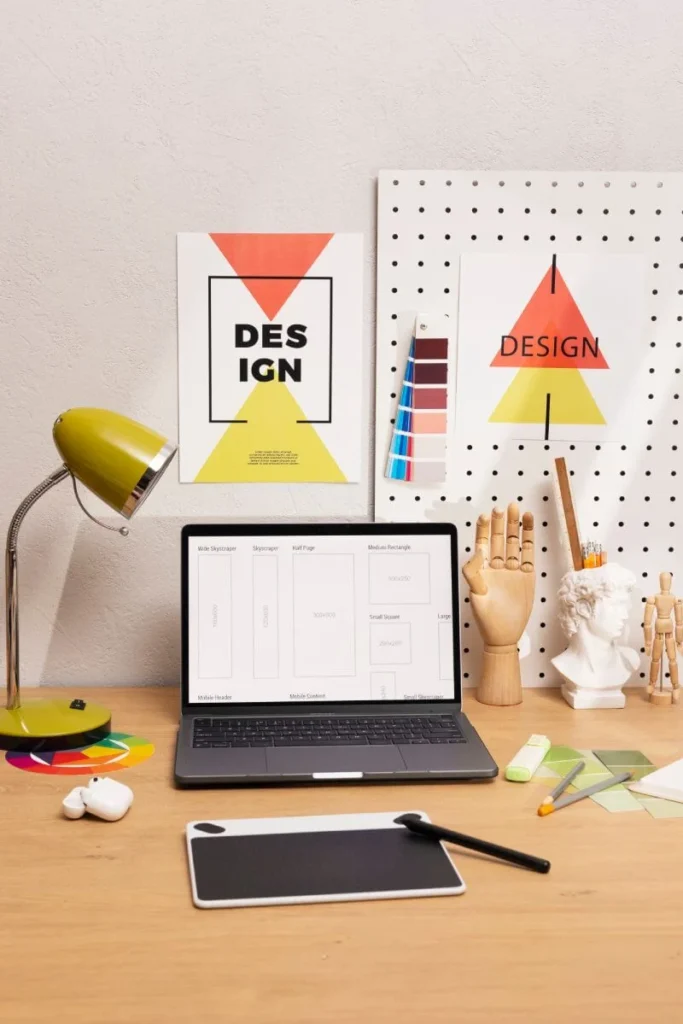
How a website gets designed?
A good website doesn’t begin with colours or typography. It begins with understanding what the website needs to do, who it is for and what needs to happen on each page.
What the site has to achieve?
Before opening Figma, we establish the purpose of the website, its audience and the actions that matter most. This gives the design a clear direction instead of starting with aesthetics.
Pages and priorities
Next, we define the pages, content hierarchy and key journeys through the website. This gives us a clear structure before detailed design work begins.
Visual direction
Once the structure makes sense, we establish the visual language, typography, colour, spacing, imagery and interface style. Existing brand guidelines are respected where available; otherwise, we establish a direction that fits the business.
Templates
We design the core page types and reusable components the website needs. Rather than designing every page independently, we create a consistent system that can grow with the content.
Build
Because we also develop WordPress websites, design decisions are made with implementation in mind. That means fewer surprises between Figma and the finished website, and no designs that only work as static mockups.
Launch and after
Before launch, we review the finished website against the approved designs across screen sizes. After launch, we can continue improving pages and interfaces as the website evolves.
Design only, if that suits you better
You don’t have to use us for development. We can deliver organised Figma files, reusable components and clear specifications for your own development team or technical partner.
What we need from you:
- Your goals and what the website needs to achieve
- Existing brand assets and guidelines, where available
- Content, or a clear understanding of what content is coming
- Examples of websites you like or dislike, and why
You don’t need to arrive with everything figured out. Part of the design process is working through those decisions together.
Web design questions
01 What is the difference between Web Design and UX/UI Design?
Web design focuses on the website as a whole, its structure, visual direction, responsive layouts and how the pages work together. UX/UI design goes deeper into user journeys, interactions and interface behaviour, particularly for platforms, applications and more complex digital products.
02 Do you use a theme or page builder?
No. Our design process isn’t based around the limitations of a pre-built WordPress theme or page builder. Instead, we design around the content, users and requirements of the project.
If we’re also developing the website, the design becomes the foundation for a custom WordPress build.
03 Will I be able to edit the site myself?
Yes. When we handle both design and WordPress development, we plan the editing experience alongside the front end. The goal is to give you useful control over content without making it easy to accidentally break the design.
04 Can you redesign our existing site without starting over?
Sometimes. We first look at the existing website, its structure and the underlying WordPress build. If the foundation is sound, we can redesign or improve selected areas. If it isn’t, we’ll explain why a rebuild may make more sense.
05 What happens to our SEO when the site changes?
SEO is considered during the redesign rather than after it. We preserve important content and URLs where appropriate, plan redirects when URLs need to change, and consider page structure, internal linking and performance throughout the project.
For deeper technical and on-page work, we can also handle SEO as a separate service.
06 Do you write the content?
We can help structure content and identify what each page needs to communicate, but full copywriting isn’t automatically included in every web design project. If you’re providing the copy, we’ll design around real content wherever possible rather than relying on placeholder text.
07 How many rounds of revisions do we get?
The number of revision rounds is agreed in the project scope before work begins. More importantly, we present the reasoning behind major design decisions and collect feedback at defined stages, which helps avoid endless rounds of small changes.
Next step
Seen enough? Let us talk.
Tell us what you're building, rebuilding or trying to improve. We'll take a look, ask the right questions and give you a straightforward answer on what comes next.